🇮🇹 Rome · Roma
Southern Europe
- Aventino-Testaccio: Aventino and Testaccio are neighbourhoods of Rome. Aventino is named for the hill which rises up near the Tiber river and is one of the legendary seven hills of Rome. Diagonally opposite at the end of...
- Colosseo: The Colosseo district is the heart of ancient Rome and the Roman Empire. It has the Colosseum, the Forum, and the Capitoline Museum. Via dei Fori Imperiali cuts through the centre of the Rome/Colosseo...
- Esquilino-San Giovanni: Esquilino and San Giovanni are adjacent neighborhoods in Rome. Esquilino is named for the Esquiline hill on which it stands. It lies south of the Termini station and is centred more or less on the Pia...
- Modern Centre: The Modern Centre of Rome, home to the Via Veneto, Quirinale, Castro Pretorio, Repubblica, and Trevi neighbourhoods, is the city's hub of activity, especially shopping and nightlife. It's also home to...
- Nomentano: Nomentano is a district of Rome. The San Lorenzo neighborhood is a student area south-east of Rome's main train station (Termini). It has a small street market (food, clothing), unpretentious caffès a...
- 404 Name Not Found
- ABC
- Bar Cornetteria
- Baraka Bistrot
- Gazometro B&B Rome (Prezzo N/D)
- Hotels Aventine, San Anselmo and San Pio (Prezzo N/D)
- Testaccio Hotel, Sonder (Single €99, double €121)
Testaccio is a short walk from the metro station and Circus Maximus also has its own metro station on the rome line (Circo Massimo). Near Piramide Metro station is Ostiense railway station, with regular connections to and from Fiumicino Airport. From Piramide you can also get trains to Ostia.
Eternal city of layered beauty, Rome is facing the challenge of modernization while respecting its archaeological constraints. Its monumental charm remains an indispensable asset on the global stage.
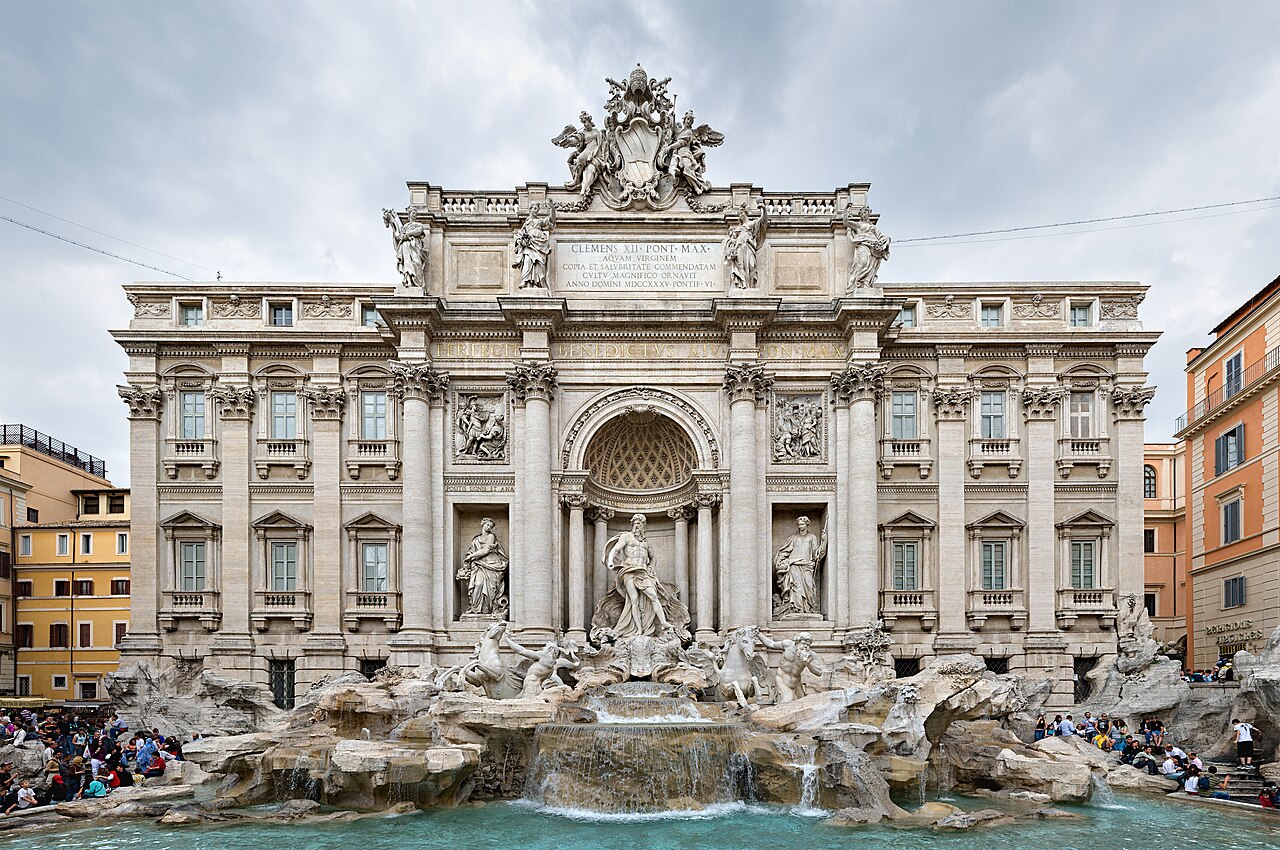
Rome (Italian and Latin: Roma), the 'Eternal City', is the capital and largest city of Italy and of the Lazio region. It's the famed city of the Roman Empire, the Seven Hills, La Dolce Vita, the Vatican City and Three Coins in the Fountain. Rome, as a millennia-long centre of power, culture and religion, was the centre of one of the greatest civilisations ever, and has exerted a huge influence over the world in its circa 2500 years of existence. The historic centre of the city is a UNESCO World Heritage Site. With wonderful palaces, thousand-year-old churches and basilicas, grand romantic ruins, opulent monuments, ornate statues and graceful fountains, Rome has an immensely rich historical heritage and cosmopolitan atmosphere, making it one of Europe's and the world's most visited, famous, influential and beautiful capitals. Today, Rome has a growing nightlife scene and is also seen as a shopping heaven, being regarded as one of the fashion capitals of the world; some of Italy's oldest jewellery and clothing establishments were founded in the city. With so many sights and things to do, Rome can truly be classified a "global city". Rome can be divided into several districts. The so-called historical centre (centro storico) is quite small, being only around 4% of the city's area. This mainly consists of the area inside the Aurelian walls, and is protected by UNESCO. Districts are explained below: Situated on the River Tiber, between the Apennine Mountains and the Tyrrhenian Sea, the "Eternal City" was once the administrative centre of the mighty Roman Empire, governing a vast region that stretched all the way from Britain to Mesopotamia. Today it remains the seat of the Italian government and home to numerous ministerial offices. Rome has 2.7 million inhabitants while the metropolitan area is home to around 4.5 million. Architecturally and culturally, Rome has some contrasts - you have areas with pompously huge majestic palaces, avenues and basilicas, which are then surrounded by tiny alleyways, little churches and old houses. The centre of Rome is mainly ancient, and modern buildings are usually concentrated in the suburbs, unlike Milan (where new and old architecture is combined both in the centre and the outskirts). You may also find yourself walking from a grand palace and tree-lined elegant boulevard, into a small and cramped Medieval-like street. The abbreviation "S.P.Q.R" is ubiquitous in Rome, short for the old democratic motto "Senatus Populusque Romanus" (Latin), i.e. "The Roman Senate and People".
Structured data source (DTD-validated XML — city_report.dtd):
Canonical URI (element <source_url>, also used as itemid microdata):