What UNESCO says
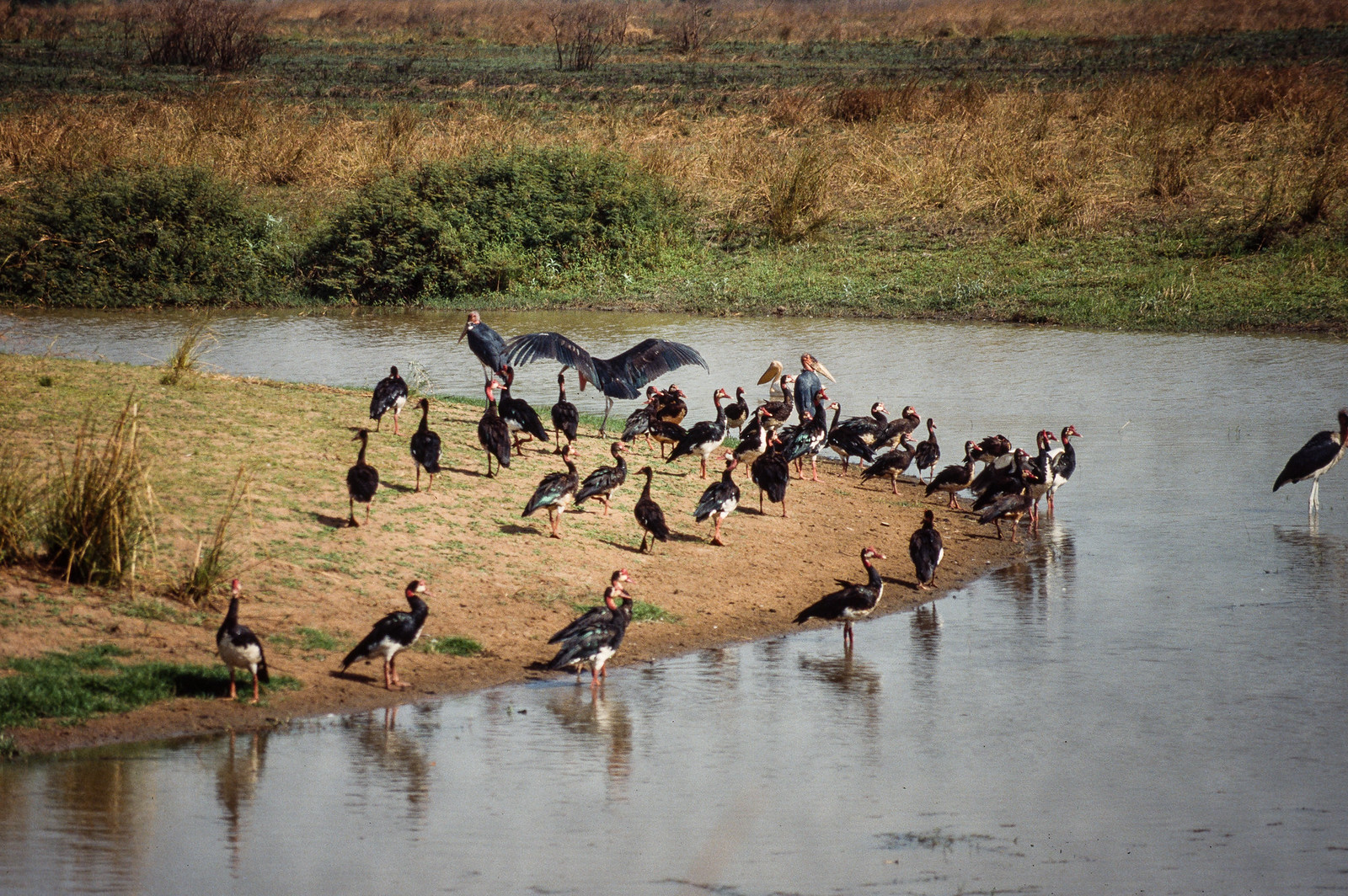
UNESCO describes the property in these words: “The importance of this park derives from its wealth of flora and fauna. Its vast savannahs are home to a wide variety of species: black rhinoceroses, elephants, cheetahs, leopards, wild dogs, red-fronted gazelles and buffalo, while various types of waterfowl are to be found in the northern floodplains.”[1]
Background
The park is in the Central African Republic, in Bamingui-Bangoran prefecture near the border with Chad, and was inscribed in 1988 for the diversity of its life, according to Wikipedia.[2] It lists among the mammals black rhinoceroses, African elephants, Sudan cheetahs, leopards, buffalos, Kordofan giraffes and West African lions, and says BirdLife International has designated the park an Important Bird Area.[2]
Abandonment and recovery, as reported in 2024
A 2024 commentary on Mongabay by conservation researchers describes the park as the largest in the Central African savannas, covering 17,400 square kilometres, listed in 1988 and added to the danger list in 1997.[3]
After the park was abandoned between 2012 and 2018 amid political instability, they write, elephants, lions, hippos and giraffes were no longer seen by 2017. In 2018 the Wildlife Conservation Society signed an agreement with the government to manage it for 25 years, renewable.[3]
They report 44 trained rangers, 44 "tango guards" drawn from herding communities and 32 ecological monitors, and say illegal transhumance fell to less than 3% of its initial value. The park was named among 11 new Biosphere Reserves in 2023.[3]
- The state of the wildlife today and of the park's protection. The article read here lists species without saying how many remain.
- Who manages the park and the effect of the conflict in the region, which the part of the article read here does not reach.
- Local voices: none yet.
- That commentary is by researchers connected to the park's management: its figures are not independently checked, and the communities' and herders' own accounts of the rules are not heard.
Sources
- Institutional[1] Manovo-Gounda St Floris National Park. UNESCO World Heritage Centre, World Heritage List (open data, CC BY-SA 4.0). whc.unesco.org retrieved 7 Oct 2026
Read from UNESCO's open-data record (data.unesco.org, dataset whc001); the web page itself could not be opened from this project's tools. Texts are UNESCO's own. - Encyclopedia · to verify[2] Manovo-Gounda St. Floris National Park. Wikipedia. en.wikipedia.org retrieved 7 Oct 2026
Used for background that the UNESCO record does not give. Each statement is limited to the article's lead and opening sections; confirm against specialist sources. - Press[3] Dodé H.M. Houehounha and seven co-authors, Conservation comeback in Central African Republic's Manovo-Gounda St Floris National Park (commentary). Mongabay, 26 Mar 2024. news.mongabay.com retrieved 7 Oct 2026
A commentary by conservation researchers, some involved in the park's management: an insider's account, not independent reporting.