Sourcing note. This card rests on UNESCO's own text and Wikipedia. No independent source has been added yet, so read it as an outline, not as a finished account. It was published without a prior review by people from the place. If something is wrong or missing, tell the project.
This card keeps two kinds of knowledge apart: what the documented record says, and what the people who know the place say. Each is labelled, so a reader always knows which one they are reading.
In the record cited to a source
From people who know this place one person's experience, shown as theirs
UNESCO describes the property in these words: “The Royal Hill of Ambohimanga consists of a royal city and burial site, and an ensemble of sacred places. It is associated with strong feelings of national identity, and has maintained its spiritual and sacred character both in ritual practice and the popular imagination for the past 500 years. It remains a place of worship to which pilgrims come from Madagascar and elsewhere.”[1]
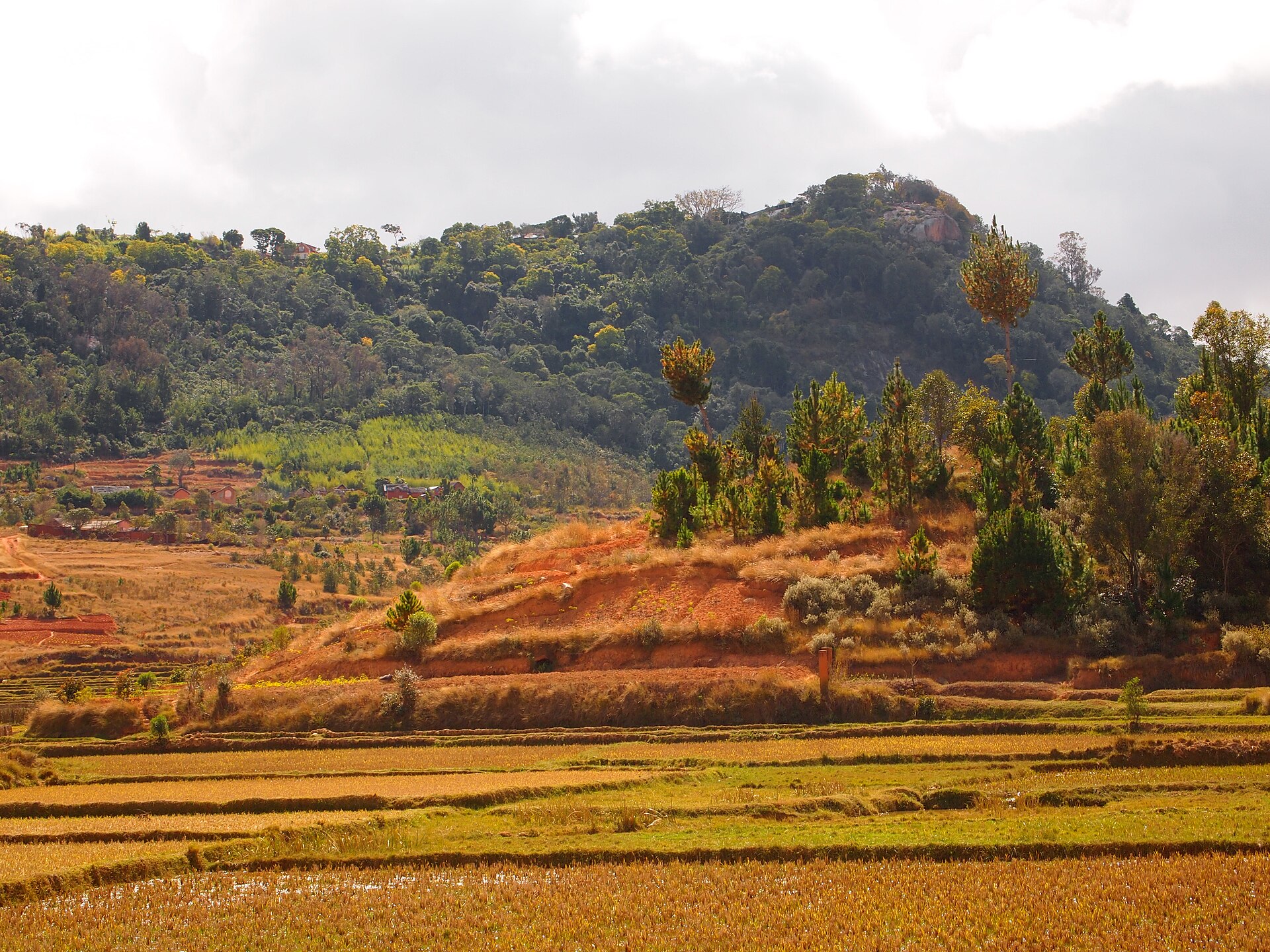
Ambohimanga is a hill and fortified royal settlement, a rova, about 24 kilometres north-east of Antananarivo. Wikipedia calls it the most significant symbol of Merina cultural identity and the best-preserved monument of the precolonial Merina Kingdom.[2] It is one of the twelve sacred hills of Imerina and a place of worship to which pilgrims still come from Madagascar and elsewhere.[2] The article says it became politically important in the early 18th century, when King Andriamasinavalona divided Imerina into four quadrants and gave his son the north-east one, ruled from Ambohimanga.[2]
Not yet sourced
Malagasy voices on the sacred hill and its rituals, beyond the article's summary.
The Rova of Antananarivo is a different royal site and this card does not cover it.
Local voices: none yet.
Sources
Institutional[1] Royal Hill of Ambohimanga. UNESCO World Heritage Centre, World Heritage List (open data, CC BY-SA 4.0). whc.unesco.orgretrieved 7 Oct 2026 Read from UNESCO's open-data record (data.unesco.org, dataset whc001); the web page itself could not be opened from this project's tools. Texts are UNESCO's own.
Encyclopedia · to verify[2] Ambohimanga. Wikipedia. en.wikipedia.orgretrieved 7 Oct 2026 Used for background that the UNESCO record does not give. Each statement is limited to the article's lead and opening sections; confirm against specialist sources.