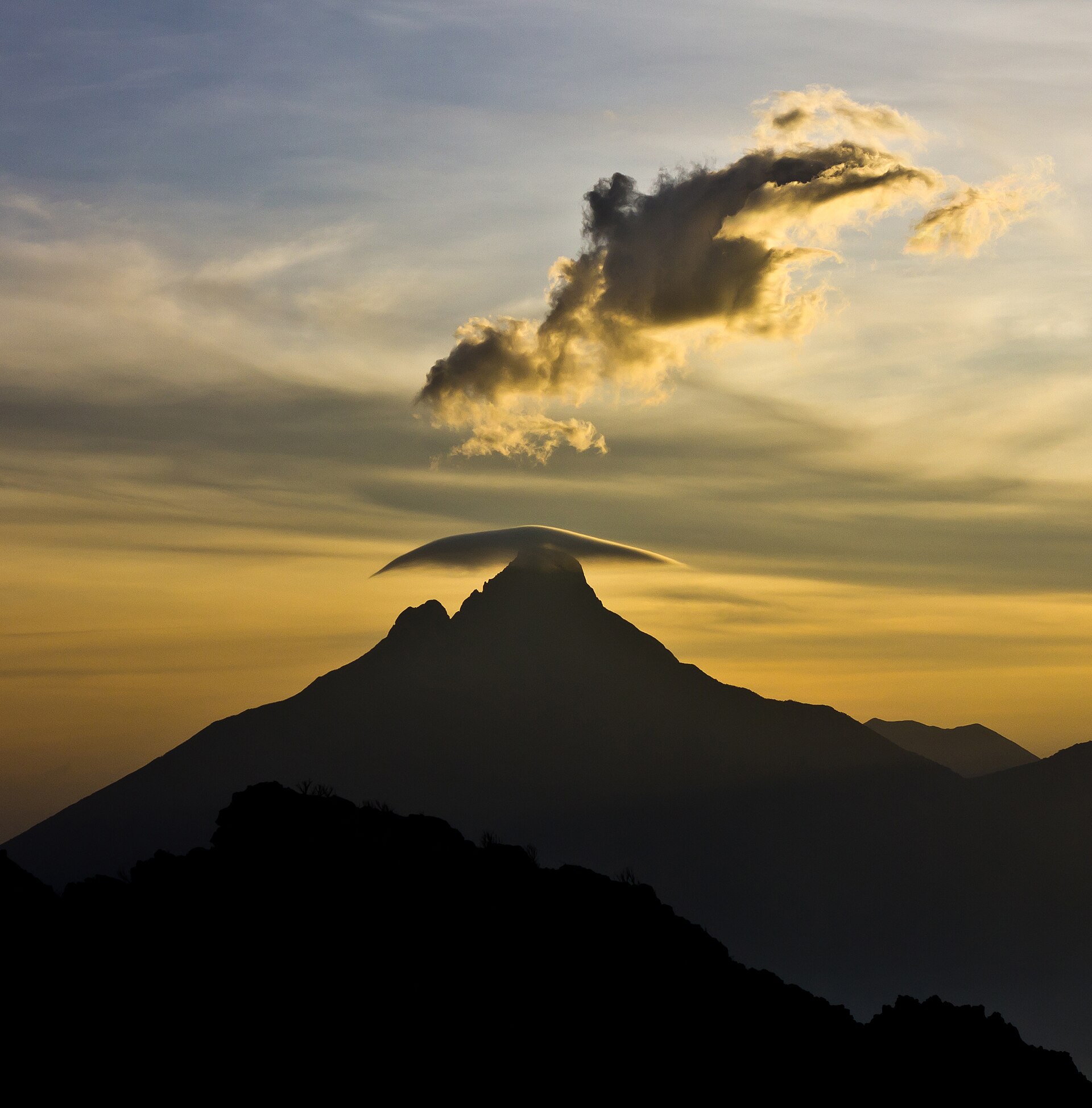
What UNESCO says
UNESCO describes the property in these words: “Virunga National Park (covering an area of 790,000 ha) comprises an outstanding diversity of habitats, ranging from swamps and steppes to the snowfields of Rwenzori at an altitude of over 5,000 m, and from lava plains to the savannahs on the slopes of volcanoes. Mountain gorillas are found in the park, some 20,000 hippopotamuses live in the rivers and birds from Siberia spend the winter there.”[1]
Background
Virunga National Park lies in the Albertine Rift in eastern Democratic Republic of the Congo, along the borders with Uganda and Rwanda. Wikipedia says it was created in 1925, covers 7,800 km² and ranges in height from 680 metres to 5,109 metres in the Rwenzori Mountains.[2] Two active volcanoes, Nyiragongo and Nyamuragira, lie within it. More than 3,000 species of animals and plants have been recorded, over 300 of them found only in the Albertine Rift, including the eastern gorilla and the golden monkey.[2] It was listed as a World Heritage Site in 1979 for its range of habitats, its biodiversity and its protection of rare mountain gorilla habitat.[2]
Protecting it, as reported in 2016
National Geographic reported in 2016 that the park hosted more than 700 bird species and more than 200 mammals, among them 480 of the world's 880 remaining mountain gorillas.[3]
It also said the park has been set aside for conservation since 1925, which keeps natural resources from one of the world's most deeply impoverished populations and stirs discontent among some four million people living around it.[3]
Since the ethnic conflict in Rwanda spilled into Congo in 1994, the magazine wrote, rangers have faced a constant threat from armed groups, and 152 rangers had been killed since 1996.[3] Gorilla numbers have been rising since the killing of seven gorillas by charcoal traffickers in 2007, and the 250 to 300 gorillas used to people are watched daily by a security team of 80.[3]
- Oil and the park's borders, a long-running dispute not covered in the lead.
- Local voices: none yet.
- The figures in "Protecting it" are National Geographic's, as of 2016: rangers' deaths, gorilla numbers and the security situation have changed since and are not updated here.
- Rangers' and communities' own accounts of the conflict and the park: the 2016 report is one journalist's view, written from the park's side.
Sources
- Institutional[1] Virunga National Park. UNESCO World Heritage Centre, World Heritage List (open data, CC BY-SA 4.0). whc.unesco.org retrieved 7 Oct 2026
Read from UNESCO's open-data record (data.unesco.org, dataset whc001); the web page itself could not be opened from this project's tools. Texts are UNESCO's own. - Encyclopedia · to verify[2] Virunga National Park. Wikipedia. en.wikipedia.org retrieved 7 Oct 2026
Used for background that the UNESCO record does not give. Each statement is limited to the article's lead and opening sections; confirm against specialist sources. - Press[3] Robert Draper, Inside the Fight to Save One of the World's Most Dangerous Parks. National Geographic. www.nationalgeographic.com retrieved 7 Oct 2026
July 2016 issue. Figures are as of 2016 and one journalist's reporting, with photographs by Brent Stirton.