What it is
Zakouma National Park lies in south-eastern Chad, across the Guéra and Salamat regions. It covers 3,000 square kilometres and was established in 1963.[1] National Geographic calls it Rhode Island-sized.[2]
The fall
In 2002 the park had more than 4,000 elephants. By 2010 there were about 400, a drop of 90 per cent, and experts warned the rest would be gone within two or three years if nothing changed.[2]
In August 2012 poachers raided a ranger camp at Heban, shot five men, and a sixth fled and was never found. Only the cook survived, by walking and swimming 12 miles to the nearest village.[2]
The recovery
In 2010 the Chadian government hired African Parks, and Rian Labuschagne and his wife took full managerial control.[2]
Rangers received GPS units, radios and horses; an elite rapid-response group, the Mambas, was formed; new bases were built around the park and a second aircraft was brought in.[2]
Only seven elephants were lost in 2011. About 50 calves were born in 2014 and 2015, and 70 in the year before the report.[2] National Geographic counted more than 500 elephants in January 2017; Wikipedia gives 636 by 2021 and no poaching since 2016.[2][1]
Giraffes and rhinos
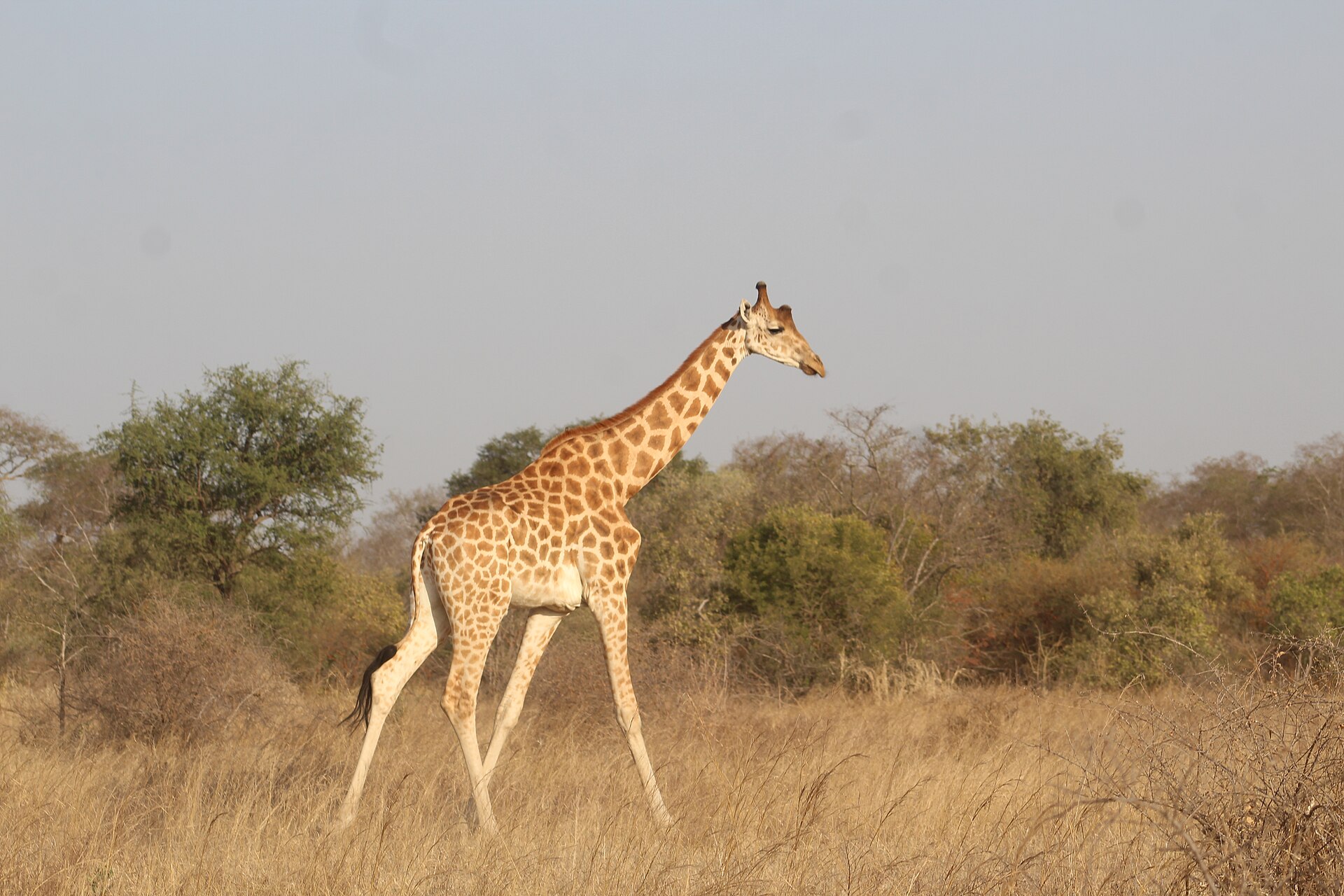
Wikipedia says about 60% of the world's Kordofan giraffes live in Zakouma, and that black rhinoceroses, last seen in 1972, were reintroduced from 2017, with five more arriving in December 2023.[1]
- The state of the park and its elephants after 2021. The newest figure comes from Wikipedia and should be checked against African Parks' own report, whose site could not be opened.
- How people living around the park experience it, and what the park's management means for them. The sources read tell it from the park's side.
- Whether and how it can be visited. Nothing about access or the season was read.
- The giraffe and rhino figures come from Wikipedia only.
- The coordinates are those given by Wikipedia for the park, not a checked entrance.
Sources
- Encyclopedia · to verify[1] Zakouma National Park. Wikipedia. en.wikipedia.org retrieved 8 Oct 2026
Used for coordinates, area, founding year, the 2021 elephant count and the giraffe and rhino notes. Check the later figures against African Parks, whose site could not be opened. - Press[2] Rachel Nuwer, The Rare African Park Where Elephants Are Thriving. National Geographic, 28 Jan 2017. www.nationalgeographic.com retrieved 8 Oct 2026
Wildlife Watch report, 28 January 2017. Its numbers are those of January 2017.