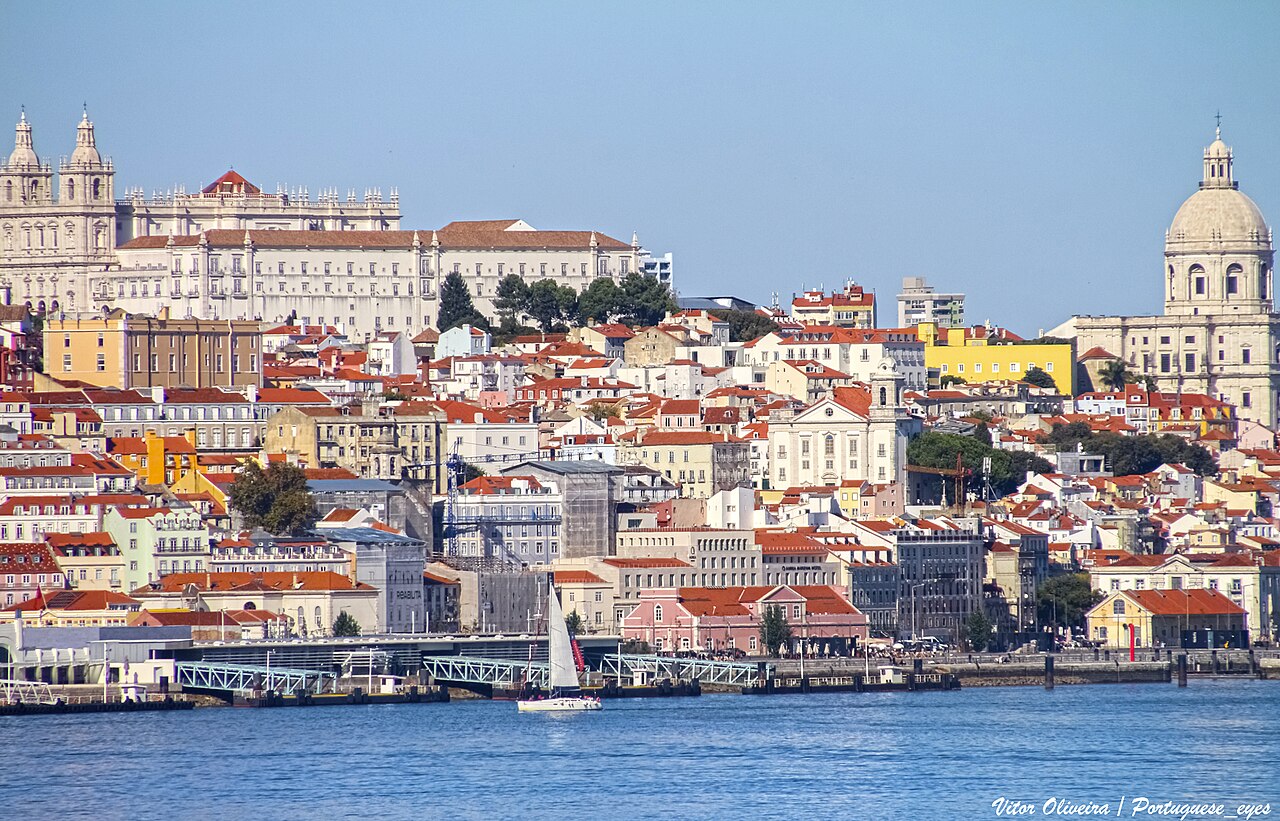
🇵🇹 Lisbon · Lisbona
Southern Europe
- Baixa: Baixa is a district in Lisbon, Portugal. The Baixa has many squares and monuments, offering numerous photo opportunities. The area suffered devastating destruction in the Great Earthquake on All Saint...
- Bairro Alto: Bairro Alto is a district in Lisbon, Portugal. Beyond Bairro Alto itself, the district includes other neighbourhoods, notably Chiado and Príncipe Real. Bairro Alto is recognized for being Lisbon's cen...
- Alfama: Alfama is a district in Lisbon, Portugal. The most popular and most fun way to travel into and through Alfama is on the and trams. * * * * * * * * * * * * * * All these are around the Castelo...
- Belém: Belém is a district in Lisbon, Portugal. Take bus 728 to the west (direction Restelo), which follows the coast line and provides an express service with few stops. Or take the Cascais suburban train (...
- Parque das Nações: Parque das Nações is a district in Lisbon, Portugal. The "Park of the Nations" was built from scratch for Expo '98 (1998 Lisbon World Exposition) in the northeastern end of Lisbon. After the Expo, man...
- A Tasca do Chico
- A Tentadora
- B'leza
- Bar Arché Cohiba
- Beira Minho (Prezzo N/D)
- Bom Conforto Casa de Hospedes (€20 singles)
- Hotel Avenida Palace (Expensive)
- Goodnight Backpackers Hostel (€18-20)
- Pensão Norte (Prezzo N/D)
Lisbon has an efficient public transport network: the metro for longer distances, and the iconic trams essential for navigating the hilly districts. Bus lines and the suburban Carris network complete the coverage.
Capital of hospitality and light, Lisbon has become a haven for digital nomads thanks to its climate and affordable costs. Its electric mobility plan is transforming the historic hills into a model of sustainable tourism.
Lisbon (Portuguese: Lisboa) is the capital of Portugal situated on seven hills at the wide mouth of the river Tagus (Tejo) where it meets the Atlantic Ocean. With 545,000 residents in the city and 3.0 million in the Lisbon Region (2024) and a thriving mix of Portugal's rich history and vivid contemporary culture, Lisbon enchants travellers with its white bleached limestone buildings, intimate alleyways, and an easy going charm that makes it a popular year round destination. Greater Lisbon comprises many other splendid tourist destinations such as the of Sintra, the seaside resorts of Estoril, Cascais, the world class museums, or Almada famous for its hilltop Cristo Rei statue, all of which are connected with Lisbon by excellent public transportation links. Lisbon is built on seven hills, so getting around Lisbon can be a workout. Many slopes and few really flat areas is one of Lisbon's trademarks. This is also a city of enchanting contrasts: The elegant squares, broad avenues, monumental buildings and rectangular layout of the lower areas quickly gives way to the hilly, narrow, winding, unpredictable and cramped streets of districts such as Alfama and Bairro Alto. The elegant dining rooms and smart rooftop bars of expensive hotels seems like a different world compared to the excellent restaurants disguised behind an inconspicuous façade in a modest Bairro Alto street. Quality patisseries and restaurants thrive side by side with late night bars and noisy discos. The old, tiny squeaky trams (one of the city's trademarks) are no less of a contrast to the efficient metro network. The Portuguese capital is often perceived as less frantic than other million cities, and traffic and barkers are less aggressive than in many other tourist destinations. According to legend, Lisbon was founded by the mythical Greek hero Odysseus, during his travels home from Troy. However, most historians believe that the city was founded around 1200 BC by Phoenician settlers, utilizing the calm and fresh waters of Tagus river and the proximity to the sea. The Phoenician name of the city is Alis-Ubo, meaning "safe harbour". Eventually it became part of the Carthaginian Empire. After the Punic Wars, it became the main trading hub of the Roman province Lusitania, under the name Felicitas Julia Olisipo, later Olisipona. During the decline and fall of the western Roman Empire, the Iberian peninsula was invaded by Vandal and Visigothic tribes. In 711, Lisbon was captured by Muslim forces.
Structured data source (DTD-validated XML — city_report.dtd):
Canonical URI (element <source_url>, also used as itemid microdata):